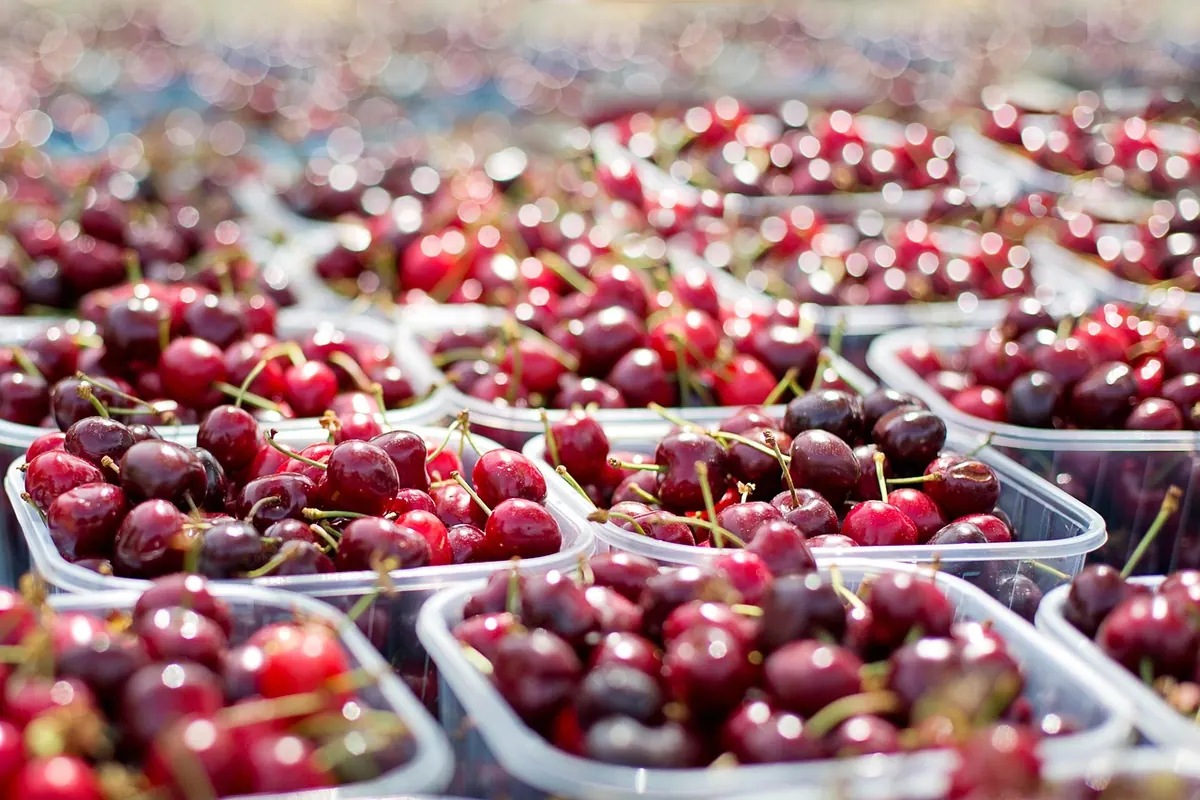
Your first farmers market feels a little like the first day at a new school. Everyone seems to know where to stand, which line moves fastest, and how to ask for a half pound of something without sounding confused. The good news is that markets are far friendlier than school cafeterias. Vendors want you to buy, and most shoppers are just there for good tomatoes and a parking spot. Here's how to make that first Saturday go smoothly, from the driveway to the kitchen counter.
Check the market's day and hours first, because a surprising number of them run on Thursday afternoons or every other weekend. Confirm whether it's rain-or-shine, whether dogs are allowed (many markets restrict pets near food stalls for health reasons), and whether there's a covered area if the forecast looks uncertain.
Then pack a small kit the night before. A little preparation saves a lot of juggling at the table.
Arriving in the first hour gets you the best selection. Arriving in the last thirty minutes gets you a quieter crowd and, at some stalls, a slightly better deal on what's left. Both are good strategies; just know which one you want.
Most market parking problems come from arriving at the busiest possible moment and then circling. If the market has a designated lot, use it and accept the short walk. If it's held on a closed street, look two or three blocks out rather than one, and read the signs carefully — neighborhood blocks near markets often have resident-only permits or two-hour limits, and a relaxed brunch can outlast them.
Skip the temptation to park in a shop's lot unless you're shopping there. Towing near popular markets is common, and it's an expensive way to buy a pint of strawberries. If you live close enough, walk or bike with a backpack; if you don't, consider parking once and doing your whole loop on foot rather than moving the car between stops. Bring a rolling cart if you're planning to buy squash, potatoes or a case of anything.
Market etiquette is mostly ordinary courtesy with a few specific rules. Ask before you handle produce. Don't squeeze, stack or rearrange a neat pyramid of fruit. If a stall is three deep with customers, wait your turn rather than shouting a question across the table, and step to the side to dig through your wallet so you're not blocking the pile of peaches.
Ask before you pick up, step aside to count your change, and say thank you on the way out. That's most of it.
A few more: put anything you've picked up back where you found it, or hand it to the vendor if you change your mind — don't tuck it behind the tomatoes. Keep children and dogs close and out of the aisles. And it's fine to browse without buying; "just looking, thanks" is a perfectly polite thing to say. Haggling at a farm stand is generally not expected, though asking about a case or bulk price is completely reasonable.
Set a number before you leave the house, and walk the entire market once before you buy anything. Prices and quality vary more than you'd think from stall to stall, and that first loop tells you where the good greens are and who has the eggs. Carry small bills so you can pay exact amounts and keep a running total in your head or your phone.
Buy what you'll cook in the next several days. The cheapest basket in the world is worthless if half of it wilts in the crisper drawer, so let your meal plan drive your purchases rather than the other way around. If a vendor offers a case price, splitting it with a friend or neighbor often makes sense for things you'll freeze or preserve. And you're never obligated to buy from a stall just because you had a nice conversation.
If money is genuinely tight right now, decide your priorities before you arrive — eggs, bread, greens — and treat everything else as optional. General budgeting tips only go so far; for anything bigger, a nonprofit credit counselor is a better resource than a market stall.
Ripe produce usually announces itself. A peach that smells like nothing will taste like nothing. Tomatoes should feel heavy for their size with a little give at the shoulders. Berries should be dry, plump and unstained at the bottom of the pint, where mold starts. Greens should be crisp with no slime and no yellowing stems. Corn wants tight green husks and damp silks. Root vegetables should be firm with no soft spots.
This is the real advantage of a market over a supermarket. Useful questions: What did you pick this morning? Which of these is best raw and which is better cooked? How long will this keep? Is this variety sweet or tart? Vendors taste their own food and generally answer straight, because they'd rather you come back next week than buy something you'll regret.
Spring brings asparagus, peas, radishes, lettuce and strawberries. Summer is tomatoes, corn, stone fruit, berries, peppers and summer squash. Fall turns to apples, pears, winter squash, brassicas and root vegetables. Winter is mostly storage crops and greenhouse greens, with citrus in warmer regions. Exact timing shifts by climate and weather, so treat the calendar as a hint and the tables as the truth.
Unpacking well is what makes the trip worth it. A quick order of operations:
Write down the names of two or three vendors you liked, and what you bought from them. Learn the market's rhythm — which stalls sell out early, which ones discount at closing, where the shortest coffee line is. If a farm offers a pre-order or a community-supported agriculture share, ask how it works.
The first visit is reconnaissance. By the third, you'll have a route, a favorite egg person, and a rough idea of what a week's worth of vegetables costs. Go again next Saturday, bring a friend who's never been, and let the second trip be the easy one.
Photo: JillWellington / Pixabay

How to plan a block party neighbors actually attend, from permits and invitations to potluck food, music, and the...

Local news isn't just small stories. It's the school budget, the zoning vote, the pothole on your street, and the...

A practical guide to youth sports tryouts covering paperwork, gear, schedules, coach communication and what to do...

Local stories from around the lane.